An Overview of NFTs in Fashion
a LCX Team ·
With the marketing of physical products as NFTs before they go into creation, NFTs have allowed fashion brands to push the boundaries of their revenue model. Fashion brands are increasingly utilizing NFT wearables to interact with their consumers on metaverse platforms. While NFTs were initially utilized predominantly for artwork and collectibles, they are now being applied to the fashion industry, creating a new surge of innovation and opportunities. NFTs in fashion may acquire many forms, ranging from virtual clothing designs and goods to unique physical objects with virtual ownership rights. Let’s dig into the field of fashion NFTs, exploring their benefits and spotlighting some of the most promising ones for the future of the fashion industry.
NFT Wearables: Essential Components of the Metaverse
Initially, wearables were associated with connected hardware that consumers could actually wear. They typically refer to electronic accessories or clothing, such as smartphones, smartwatches, or smart glasses, that are directly tethered to a particular device (smartphone, computer, etc.). In contrast to virtual apparel, wearables are frequently designed to retrieve the user’s details or determine how they communicate in their environment.
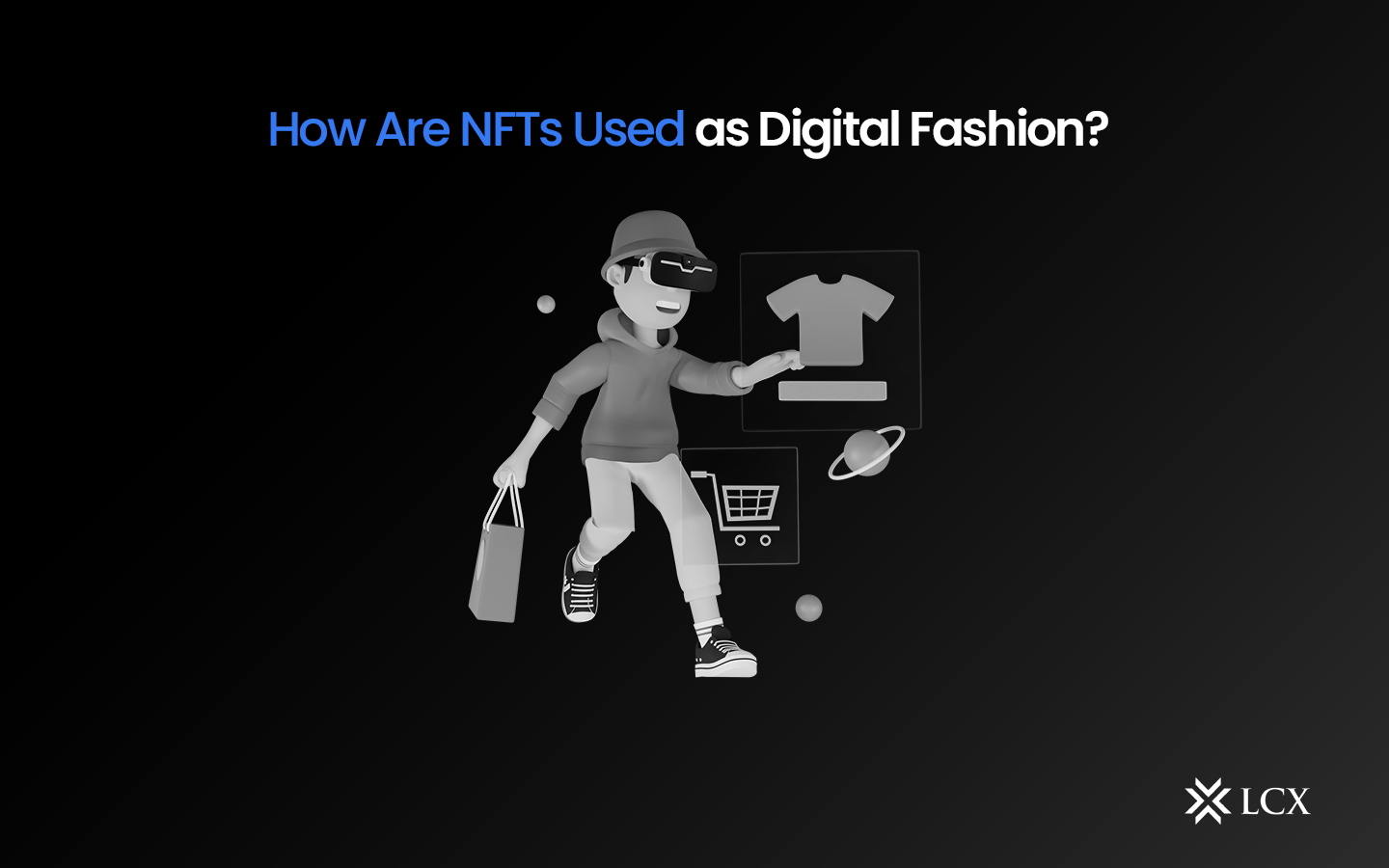
NFT wearables, on the other hand, refer to the virtual attire that can be adopted by a user’s avatar in alternate universes or metaverses. In addition, they are garment accessories such as pants, purses, hats, shirts, etc. What makes NFT wearables unique is that the host’s convenience is not prioritized. According to the desires of its user, the avatar is therefore capable of wearing anything.
Increasingly, consumers prefer virtual purchases. With wearables, every aspect of the NFT experience will be reinvented, elevating meta-fashion NFTs to a completely different level. With this technology, Metaverse intends to investigate the usefulness of wearables and their context-aware capabilities. Wearables can also improve brand interactions with consumers by anticipating their needs. In an unprecedented manner, buyers will be able to interact with the physical and digital worlds.
Customers are able to create, exchange, and sell custom digital assets using NFTs in fashion. It also entails meeting their ever-changing requirements with attractive designs and the most advanced degree of customization possible.

Benefits of NFTs in Fashion Industry
Building an Established Fanbase: NFTs may enhance relationships with an existing brand’s fanbase. By issuing limited-edition NFTs, brands can offer particular benefits to their existing consumers, such as initial access to newly released products, exclusive content, or discounts. This promotes a sense of commitment and cooperation, which can result in increased purchase frequency and brand loyalty.
Offer Experiences: NFTs can also offer consumers exclusive experiences and rewards. To reward consumer loyalty, brands can use NFTs to generate virtual events, digital collectibles, and even virtual experiences. These experiences can be personalized, so they appeal to consumers and promote an impression of uniqueness.
Increase Brand Recognition: NFTs in fashion can help increase awareness of brands by increasing consumer exposure and participation. By issuing NFTs, brands may draw in new consumers, generate enthusiasm around products or events, and strengthen relationships with clients.
Validate the Ownership of Rare Assets: NFTs can be used to establish the legitimacy of limited-edition or rare objects. By releasing fashion NFTs, brands can guarantee a product’s authenticity and ensure that every consumer receives the exact same quality and experience. This can protect customers and reduce the likelihood that counterfeit goods will enter the market.
Create Exclusive, Personalized Experiences: To reward consumers for their loyalty, brands can use NFTs to come up with virtual events, personalized content, and virtual experiences. These kinds of experiences are capable of being tailored to attract consumers and foster an impression of exclusivity and belonging. NFTs can be utilized to create personalized digital customer experiences, such as simulated try-ons, that boost the purchasing experience and foster brand loyalty.
Customize Distinctive Loyalty Programs: By issuing NFTs in fashion, brands can provide customers with privileged access to new products, offers, and exclusive content. This promotes a sense of trust and goodwill, which can result in increased purchase frequency and brand loyalty.
Sell Digital Assets: NFTs can be utilized to sell digital assets such as works of art, music, videos, and other forms of digital content. By issuing NFTs, firms can offer customers a secure and dependable method for purchasing and owning digital assets. This can help increase brand revenue while delivering a more compelling consumer experience.
Conclusion
The rise in popularity of NFTs has provided the fashion industry with intriguing new opportunities. NFTs in fashion provide a new channel for businesses to communicate with their clients, increase loyalty to the brand, and create one-of-a-kind consumer experiences. In addition to providing additional sources of income for firms, the use of NFTs enables the sale of digital assets alongside physical products. However, there are hazards associated with the adoption of NFTs, such as concerns regarding property rights, the safety of data, monetary regulations, and the effects on the environment. Despite the obstacles associated with them, the possible benefits for fashion NFTs firms make them an innovation worthy of further study.