Life Cycle of Smart Contract Explained
от LCX Team ·
Smart contracts are programs that execute when certain conditions are met and are stored on a blockchain. Typically, smart contracts are used to automate the execution of an agreement so that all parties can be certain of the decision immediately, without the need for intermediaries or time-consuming delays. They can also orchestrate a workflow that begins when certain conditions are met. For smart contracts to function, simple “if/whenthen” lines are written into code on a blockchain. When predetermined conditions are met and validated, a network of computers executes the activities.
This may involve transferring funds to the appropriate parties, sending alerts, registering a vehicle, or issuing a penalty. When a transaction is finalized, the blockchain is updated. This means that the transaction cannot be modified, and only those with access can view the results.
Ethereum (ETH) is the most popular blockchain for conducting smart contracts and automated agreements. Solidity, a Turing-complete programming language, is frequently used to create smart contracts on Ethereum, which are then compiled into low-level bytecode executables by the Ethereum Virtual Machine.
Polkadot is an additional smart contract ecosystem created by Gavin Wood, one of the co-founders of Ethereum. He decided to introduce his blockchain network after realizing that ETH is still far from reaching its potential as a secure and scalable system. Smart contract use cases include applications such as trading, investing, financing, and borrowing. They are applicable to a variety of industries, including healthcare, gambling, and real estate, as well as the construction of entire business structures.
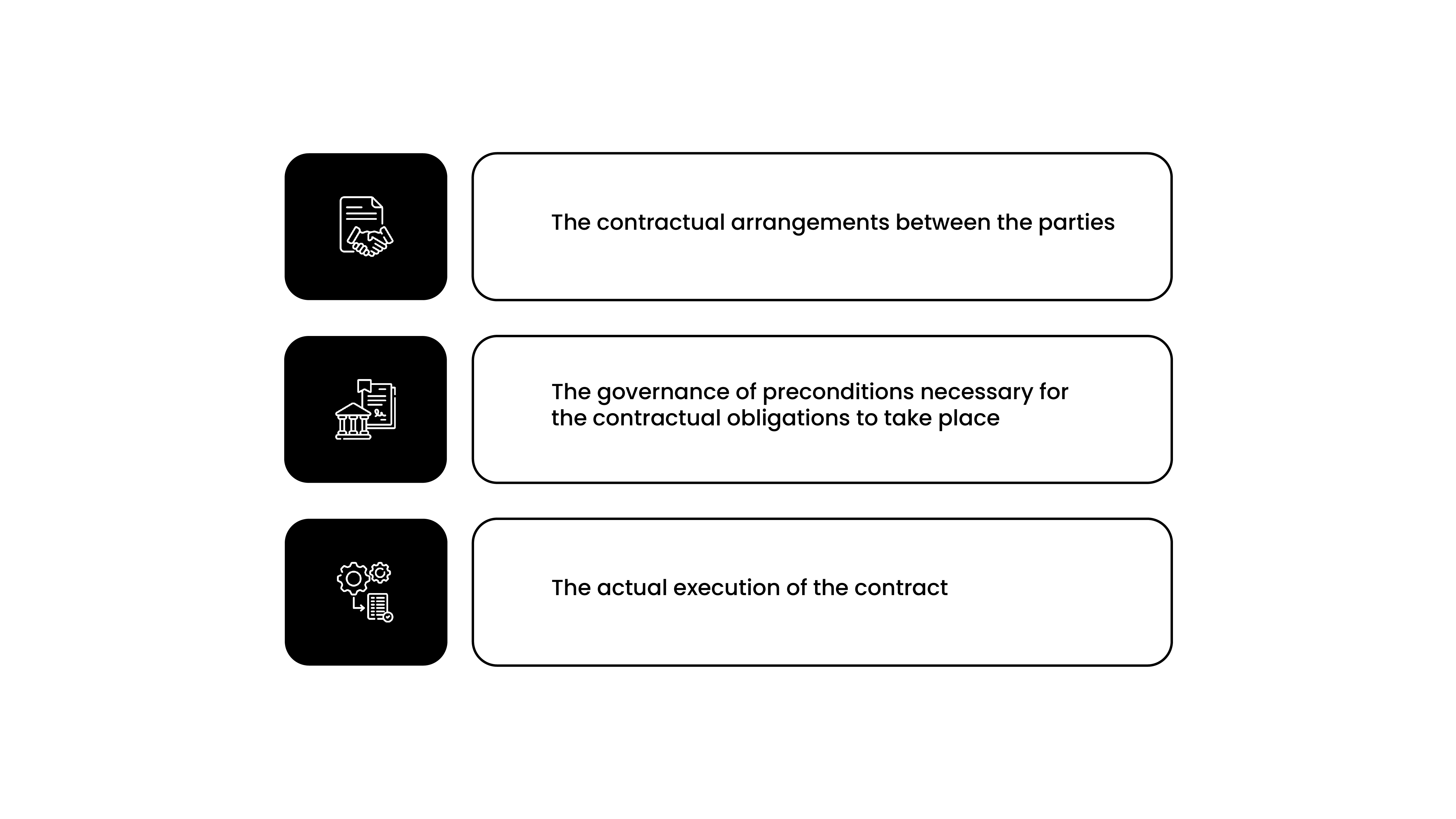
The Life Cycle of Smart Contract Development
In the blockchain ecosystem, smart contracts go through four stages:
Create
Freeze
Execute
Finalize
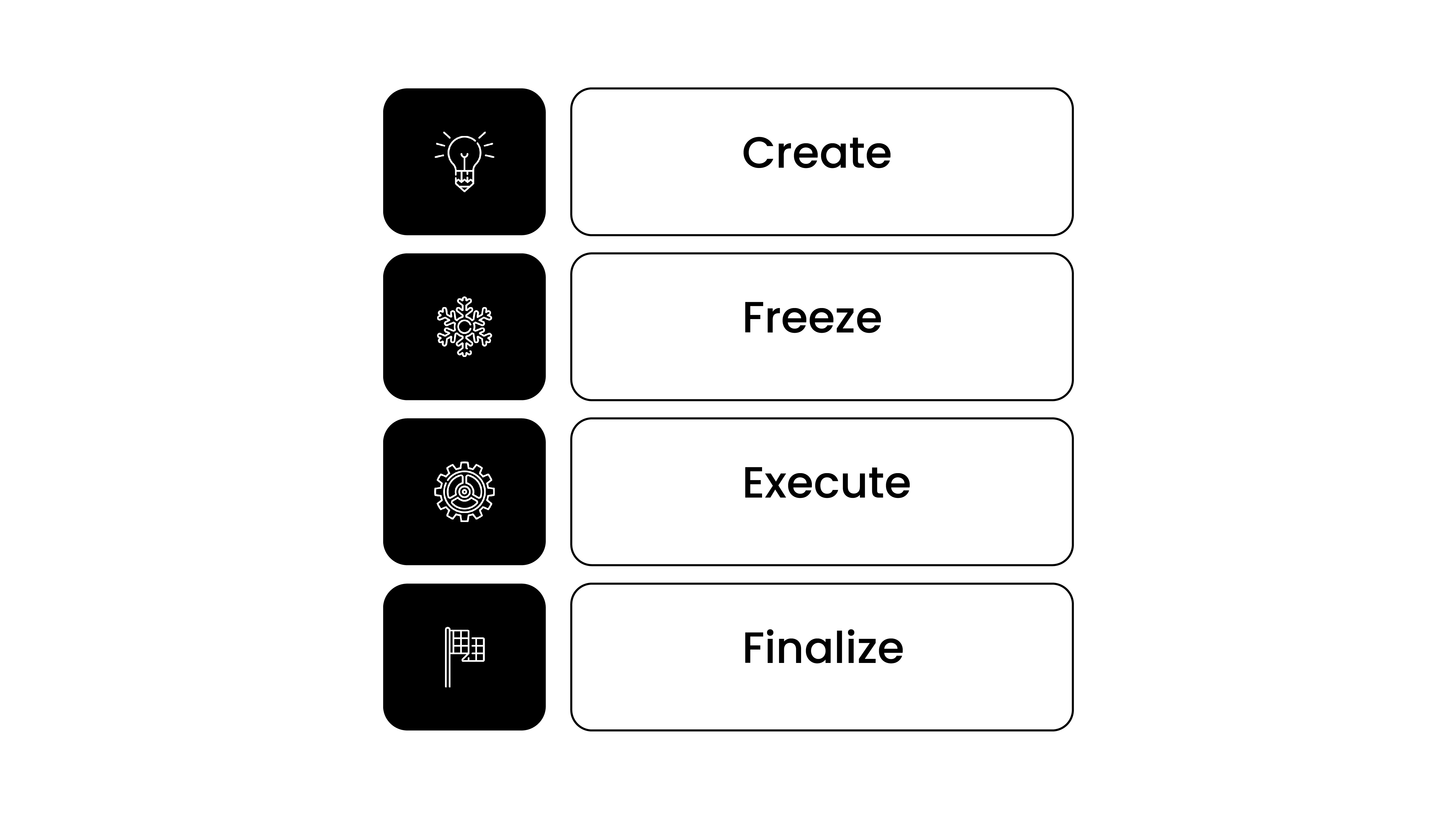
Let’s briefly examine each of these phases:
- Creation Phase: The creation phase comprises iterative contract negotiations and a phase of implementation. First, the parties must agree on the scope and objectives of the contract. This is comparable to standard contract negotiations and can take place online or in person. Contracts. During this phase, the following are carried out: (a) Multiple-party bargaining; (b) Smart system design, implementation, and validation of Smart contracts
- Freeze: A network of computers known as nodes perform the validation of transactions on a blockchain. The miners of the blockchain are at these locations. To prevent the ecosystem from being flooded with smart contracts, miners must be compensated for this service with a small fee. A network of computers known as nodes performs the validation of transactions on a blockchain. The miners of the blockchain are at these locations. To prevent the ecosystem from being flooded with smart contracts, miners must be compensated for this service with a small fee.
- Execution: Contracts recorded on the distributed ledger are read by all nodes participating in the network. The authentication nodes validate the integrity of a smart contract, while the code is executed by the interference engine (or compiler) of the smart contract. When inputs for execution from one party are received in the form of coins (commitment to products via coins), the interference engine generates a transaction triggered by the met criterion. The execution of the smart contract generates a new set of transactions and a new contract state. Discoveries and new state data are added to the distributed ledger and validated using the consensus procedure.
- Finalize: Following the execution of the smart contract, the resulting transactions and updated state information are recorded on the distributed ledger and validated through the consensus procedure. The pledged digital assets are transferred (the assets are unfrozen), and the contract is signed to affirm all transactions.
Can a Smart Contract Be Destroyed?
Yes, smart contract self-destruction is possible. Ethereum smart contracts include a self-destruct feature that enables the destruction of a contract on the blockchain system. However, it is a double-edged sword for developers. On the one hand, the self-destruct function enables developers to delete smart contracts from Ethereum and transfer Ether in the event of an attack or other emergency. On the other hand, this function could increase the complexity of the development and provide an attack channel for assailants.
When security vulnerabilities are discovered or a smart contract’s functionality must be upgraded, developers terminate the contract. They will release a new version of the contract after fixing any bugs or upgrading the existing one. In 2016, attackers discovered a Reentrancy vulnerability in a smart contract of the Decentralized Autonomous Organization (DAO), and as a consequence, the DAO organization lost 3.6 million Ether ($270/Ether in February 2020). Sometimes, this infamous assault is referred to as a DAO attack.
During the duration of the DAO hack, the organization was unaware that its contract had been compromised. They were unable to halt the attack or move the Ether due to the immutability property of smart contracts. If the contract has a self-destruct feature, the DAO can swiftly transmit all of the Ether and avoid financial loss by using this feature.
Conclusion
Understanding the life cycle of smart contracts is essential for anyone seeking to leverage their capabilities in blockchain-based applications. From creation to execution, each stage plays a vital role in ensuring the contract’s functionality, security, and reliability. By grasping the intricacies of smart contract life cycles, developers, businesses, and users can harness the potential of this innovative technology to streamline processes, automate agreements, and enhance trust in various industries.