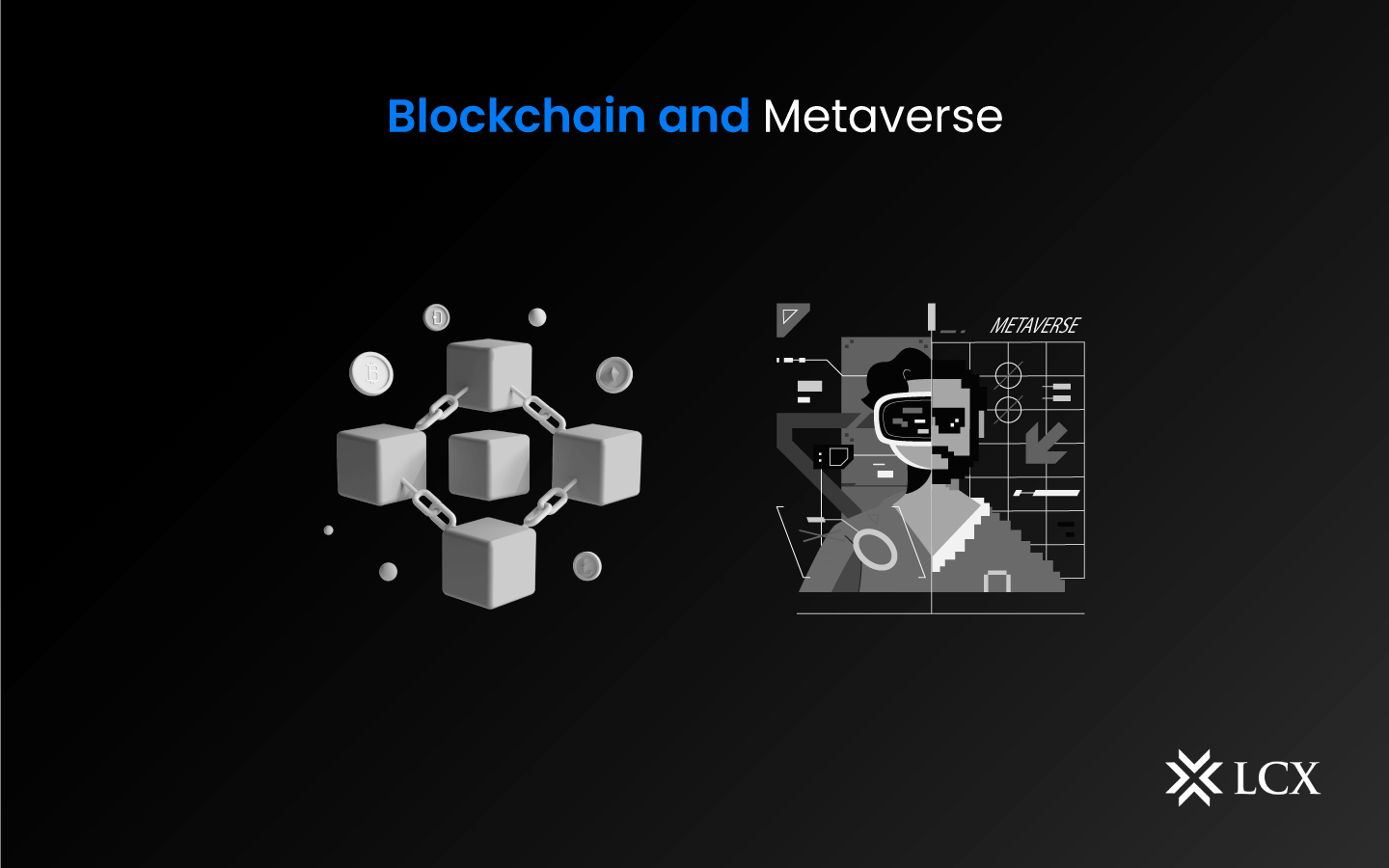
Blockchain and Metaverse
von LCX Team ·
Blockchain technology is a disruptive force in the digital landscape, with its potential applications extending far beyond the realm of cryptocurrencies. One of the most exciting developments in this landscape is the metaverse concept. This virtual world is built on blockchain technology and enables users to engage in immersive experiences. At its core, the metaverse is a decentralized network of virtual worlds that are connected by a shared set of protocols and standards. These virtual worlds can take many forms, from social networks and gaming platforms to e-commerce marketplaces and educational environments. The key feature that sets the metaverse apart from other virtual worlds is its reliance on blockchain technology to establish trust, security, and interoperability.
In a traditional virtual world, users are limited by the platform’s rules and the centralized control of the platform’s owner. This can create barriers to entry and limit the creativity and innovation of users. In contrast, the metaverse is designed to be an open and decentralized platform that allows users to create and share content freely without the constraints of a centralized authority.
One of the most compelling use cases for the metaverse is in gaming. With the rise of blockchain technology, developers can create games built on decentralized networks, which offer unique advantages over traditional gaming platforms. For example, blockchain-based games can enable players to own and trade in-game assets as digital tokens, providing a new level of transparency and liquidity to the gaming ecosystem.
Understanding the Metaverse
Meta means “beyond” and verse means “universe.” In addition, some people use the term metaverse to refer to virtual worlds where participants can roam and interact with one another. The term “metaverse” was first employed in Neal Stephenson’s 1992 cyberpunk classic Snow Crash. The novel describes The Metaverse as a shared “imaginary realm” that is “accessible to the public via the global fiber-optic network” and projected onto virtual reality spectacles. The same expression can be applied to digital environments that have been enhanced with virtual reality (VR) or augmented reality (AR).
Blockchain plays a vital role in the development of the metaverse because Web 3.0, the future of the web, is all about decentralization. Therefore, in order to maintain a decentralized web, even metaverse initiatives must be developed as decentralized platforms. Metaverse initiatives can be decentralized with the help of blockchain technology.
The blockchain is a distributed ledger managed by a network of autonomously operating computers. As the blockchain operates autonomously, it enables multiple parties to conduct transactions and register them on the blockchain without the need for a central authority. The blockchain is transparent and immutable, meaning that once it is recorded, it cannot be altered. The blockchain’s trustless nature is a benefit. Blockchain eliminates the need for trust between parties engaged in an exchange, as the issue of double-spending is already resolved. Ultimately, blockchain technology eliminates the possibility of fraud and identity theft.
Again, the multi-node decentralized nature of blockchain technology operates independently for synchronization. Specifically, a metaverse powered by blockchain would be entirely independent and decentralized, allowing all users to participate, connect, and contribute.

How Blockchain and Metaverse Can Work Together
The metaverse and blockchain are a natural fit. The decentralized nature of blockchain makes it an ideal technology for powering the transactions and economy of the metaverse. Here are some ways in which blockchain can be used in the metaverse:
- Digital ownership: A significant advantage of blockchain technology is that it allows for secure and transparent ownership of digital assets. Within the metaverse, it implies that users can own, buy, and sell virtual items, just like physical assets.
- Decentralized Economy: The metaverse is a complex economy with its own currency and markets. Blockchain can be used to create a decentralized economy within the metaverse, where users can earn, spend, and trade tokens that are powered by blockchain.
- Secure Transactions: Blockchain can provide a secure and transparent way to handle transactions within the metaverse. This can include everything from buying virtual goods to paying for virtual services.
- Identity Management: Blockchain can be used to create a secure and decentralized identity system within the metaverse. This can help to prevent fraud and identity theft, as well as ensure that users are who they say they are.
Conclusion
The combination of blockchain and the metaverse has the potential to create exciting new possibilities for the future. As the metaverse continues to grow and evolve, blockchain will likely play an increasingly important role in powering its economy and transactions. PwC, a global accounting and consulting firm, estimates that virtual reality and augmented reality will contribute $1.5 trillion to the global economy by 2030, up from $46.5 billion in 2019. Whether it’s owning virtual assets, participating in a decentralized economy, or securing digital identities, blockchain can help to create a more secure, transparent, and immersive metaverse experience.