FCC authorizes SpaceX to deploy 1M satellites for orbital AI data centers
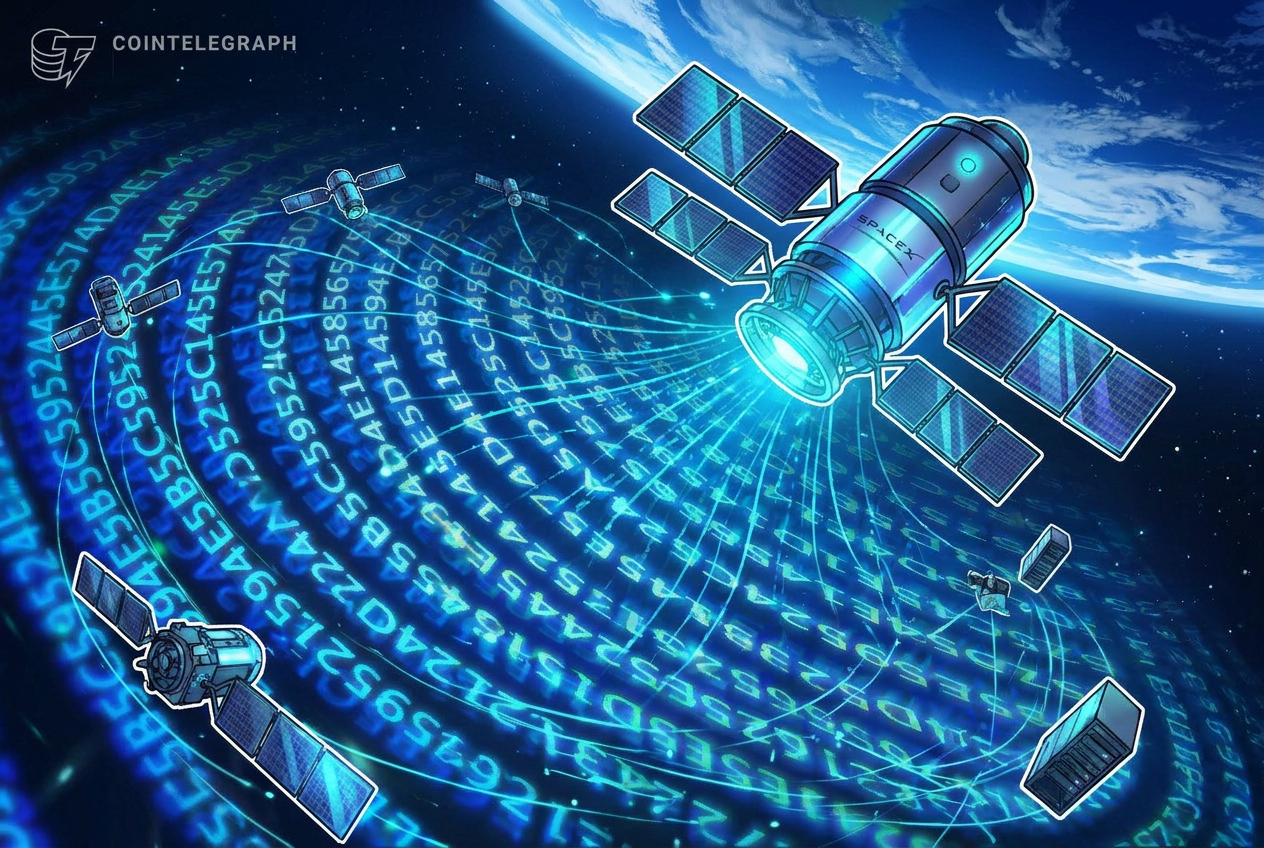
The US Federal Communications Commission (FCC) has authorized Elon Musk’s SpaceX to deploy up to 1 million satellites as part of a planned network of orbital data centers, in what the agency described as a historic first.
According to a Wednesday FCC announcement, the satellite constellation, dubbed “Starmind,” is designed to provide orbital computing infrastructure to meet growing demand for artificial intelligence (AI), processing large amounts of data for use on Earth.
FCC Chairman Brendan Carr said the authorization opens a new frontier for computing infrastructure, as SpaceX and other companies seek to move data processing capacity beyond Earth. The agency said it is continuing to review additional orbital data center proposals.
The Starmind satellites will communicate with one another using optical links, with radio frequencies serving as a backup for communications and emergency operations. The FCC said the system complies with its orbital debris rules.
The FCC did not specify a deployment timeline or estimated cost for the Starmind constellation.
SpaceX’s orbital data center plans faced industry opposition
SpaceX first applied for permission to launch up to 1 million orbital data center satellites on Jan. 30, with the FCC opening the proposal to public comment on Feb. 4.
Just three days after submitting its application, the company completed its acquisition of Musk’s AI company xAI, the developer of the Grok chatbot, bringing its space and AI businesses under one umbrella.
However, the proposal drew opposition from Amazon Leo, Amazon’s satellite internet business, which petitioned the FCC in March to reject the application, citing insufficient details about satellite designs, orbital configurations and collision prevention measures.
SpaceX pushed back, arguing that its use of optical communications would limit interference with competing satellite networks. Ahead of its initial public offering (IPO) in June, the company disclosed that satellite deployment could begin as early as 2028.
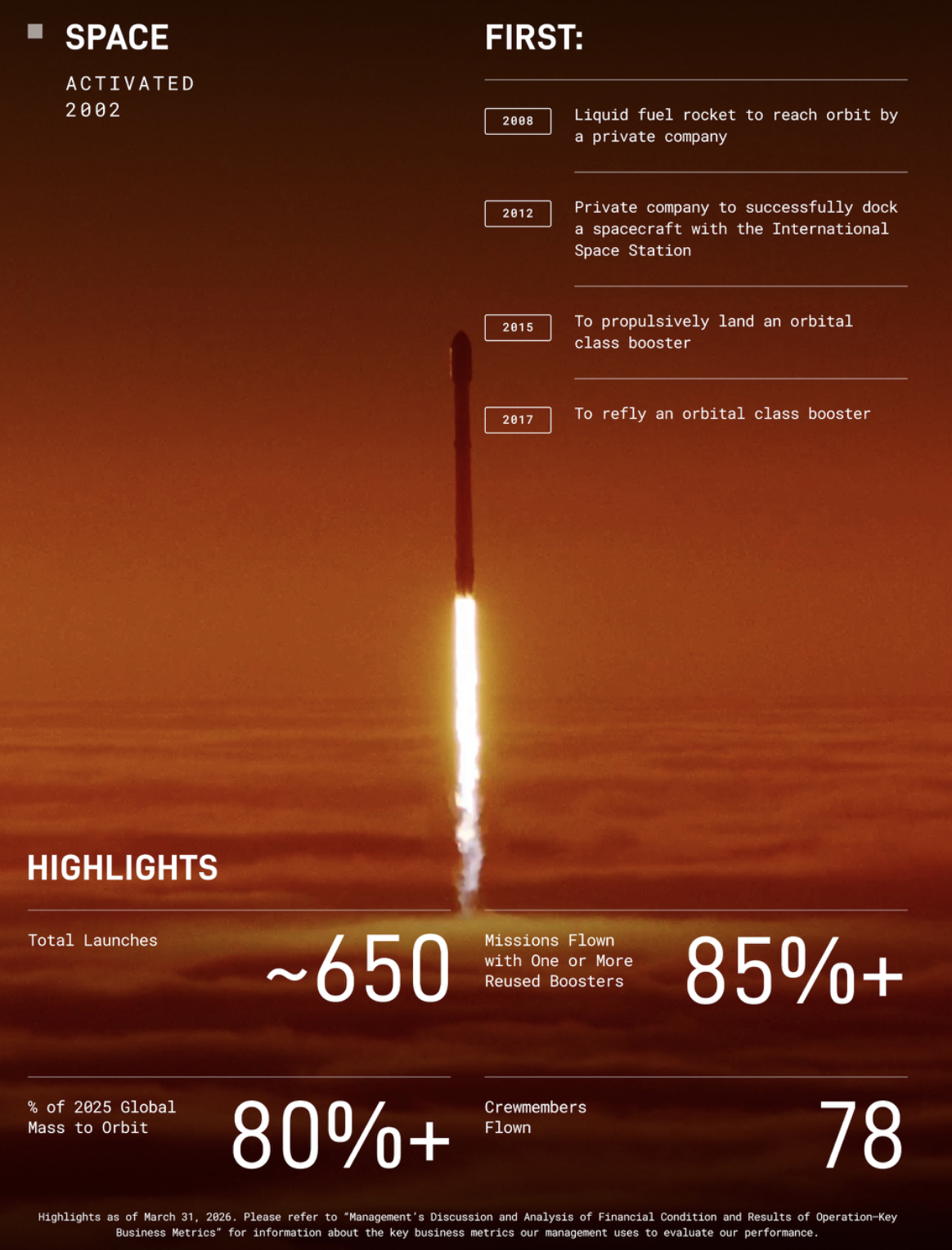
SpaceX’s launch milestones and operational statistics as of March 31, 2026. Source: SpaceX S-1 filing
In a video released during the IPO process, Musk argued that harnessing solar energy in space “avoids the need to build massive power plants on Earth” and could simplify the cooling of computing infrastructure.
SpaceX has also enlisted Nvidia in the development of its orbital computing infrastructure. In August, the chipmaker announced that the first-generation Starmind satellite would use a modified version of its Vera Rubin NVL72 computing system.
AI data centers face growing backlash in the US
The FCC’s authorization comes amid mounting public opposition to AI data centers in the US, where concerns over electricity costs, water consumption and environmental impacts emerged as issues in November’s midterm elections.
Ahead of the elections, a September poll from the University of Massachusetts Amherst found that 65% of Americans opposed the construction of AI data centers in their communities, with just 11% expressing support. Opposition crossed party lines, with 76% of Democrats and 52% of Republicans opposing local construction.
During the Nov. 3 midterm elections, which saw Democrats win control of Congress, voters backed limits on data center development in 40 of 41 local contests tracked by Ballotpedia. The measures included outright bans, temporary moratoriums on new projects and requirements for voter approval of large-scale developments.
Magazine: AI agents are using credit cards. Where does that leave crypto?