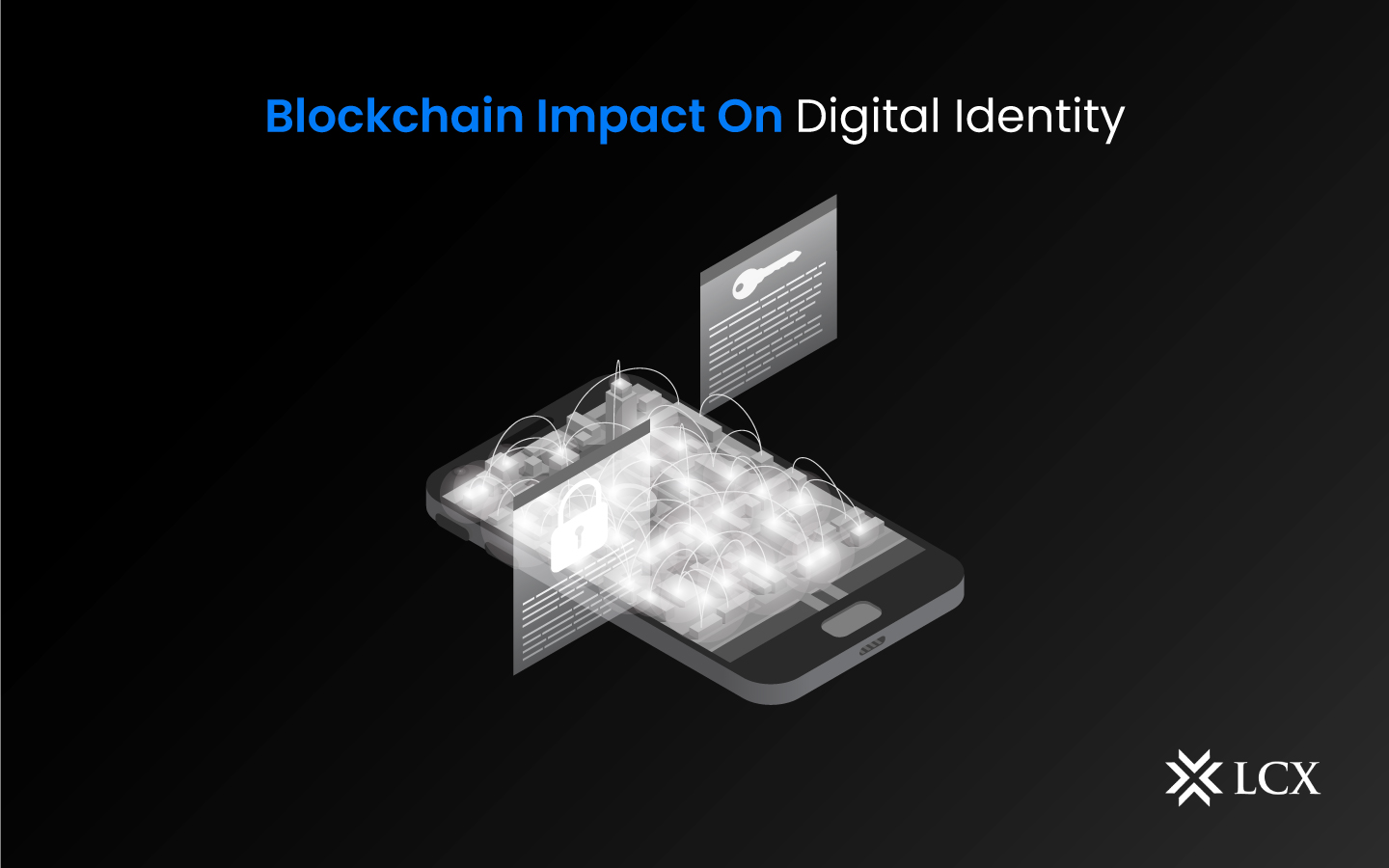
Blockchain’s Impact on Digital Identity
by LCX Team ·
Introduction
With the proliferation of Industry 4.0, the scope of the technological revolution has exceeded many traditional boundaries. Currently, the entire planet is preparing to become acquainted with autonomous and intelligent systems based on machine learning and data. However, digital identity is one of the most significant aspects of the realm of digital services.
It is the digital representation of information pertaining to a specific person, organization, or group. Is the blockchain technology equation for digital identity feasible? Blockchain is equipped with all the tools necessary to make it administration more engaging, secure, and adaptable.
Understanding Digital Identity
It refers to the digital representation of an individual or entity, comprising various attributes and characteristics that establish and validate their identity in the digital realm. This includes personal information such as name, age, address, social security number, financial data, and more. Traditional methods of digital identity verification rely heavily on centralized authorities, such as government agencies, financial institutions, or social media platforms, which act as custodians of our personal information.
Traditional identity systems suffer from several limitations and vulnerabilities. Centralized databases and single points of failure make them attractive targets for hackers, potentially compromising the security and privacy of individuals. Furthermore, users often have limited control over their own data, leading to concerns about data misuse and unauthorized access. The need for interoperability between different identity systems also hampers efficiency and convenience, requiring users to repeatedly verify their identity across various platforms.
In order to accommodate technological advancements and shifting user requirements, the digital identity landscape has undergone significant changes. It has undergone a remarkable transformation since the early days of basic authentication mechanisms.
Effective of Blockchain in Revolutionizing Digital Identity
Blockchain technology can resolve the present concerns of traditional digital identity management with promising enhancements. Blockchain technology, with its inherent characteristics of decentralization, immutability, and transparency, offers a unique solution to address the challenges of traditional identity systems. Here are some ways in which blockchain can transform it:
- Enhanced security of data: Security is one of the most important factors for the future expansion of blockchain digital identity companies. The blockchain contains the components for preserving data in an immutable and encrypted format. It also provides security through cryptography for the maintenance of it’s data. Consequently, blockchain can help ensure that digital identities are secure and readily traceable. Moreover, blockchain-based digital identity systems eliminate the vulnerabilities caused by password protection.
- Privacy: The decentralized nature of blockchain ensures that no single entity has control over the entire identity system, reducing the risk of data breaches and unauthorized access. Data stored on the blockchain is encrypted and can only be accessed with the individual’s private key, enhancing security and privacy. Additionally, blockchain’s immutability ensures that once data is recorded, it cannot be altered or tampered with, increasing trust in the system. Essentially, the combination of the efficacy of blockchain encryption and the convenience of digital signature guarantees effective “privacy and design”.
- Interoperability and Seamless Authentication: Blockchain allows for the creation of interoperable identity standards and protocols, enabling seamless authentication across different platforms and services. This eliminates the need for users to create and manage multiple accounts and passwords, streamlining the user experience and reducing friction in online interactions.
- KYC and AML Compliance: Know Your Customer (KYC) and Anti-Money Laundering (AML) regulations are critical in financial transactions. Blockchain-based identity solutions can streamline and automate the KYC process, enabling secure and efficient customer verification while maintaining compliance with regulatory requirements. This not only reduces costs and administrative burdens but also enhances the overall integrity of financial systems.
- Trust and Reputation Systems: Blockchain can facilitate the creation of trust and reputation systems by recording and verifying users’ actions and transactions on the ledger. This can be particularly beneficial in peer-to-peer marketplaces, sharing economies, and online communities where trust is essential. Blockchain-based reputation systems provide a transparent and tamper-proof way to establish trust among participants, fostering safer and more reliable interactions.
Conclusion
As digital identity progressively contributes to the social and economic well-being of individuals, existing problems with identity management systems demonstrate the need for reform. Intriguingly, blockchain digital identity initiatives provide the ideal basis for the future transformation of digital identity management. Blockchain can facilitate the creation of decentralized identifiers and the association of digital identity with verifiable credentials. Consequently, users can combine their digital identities across multiple platforms into a single digital identity that they control and own. As more organizations and governments explore the potential of blockchain for digital identity, we are likely to see significant advancements in this area in the coming years.